

Abstract Synthetic biology enables the rational engineering of microbes to create “living medicines.” This article focuses on two frontiers: (1) engineered bacteria that selectively target…
Continue Reading....Category: General
Wearable Devices and Digital Biomarkers: A Pivotal Role in Early Detection and Longitudinal Monitoring of Neurodegenerative Diseases

Abstract Early diagnosis and progression monitoring in neurodegenerative diseases like Parkinson’s (PD) and Alzheimer’s (AD) remain challenging. Continuous, passively collected multimodal data from wearables (e.g.,…
Continue Reading....Epigenetic Clocks as Novel Biomarkers for Screening and Intervention Assessment in Age-Related Disease
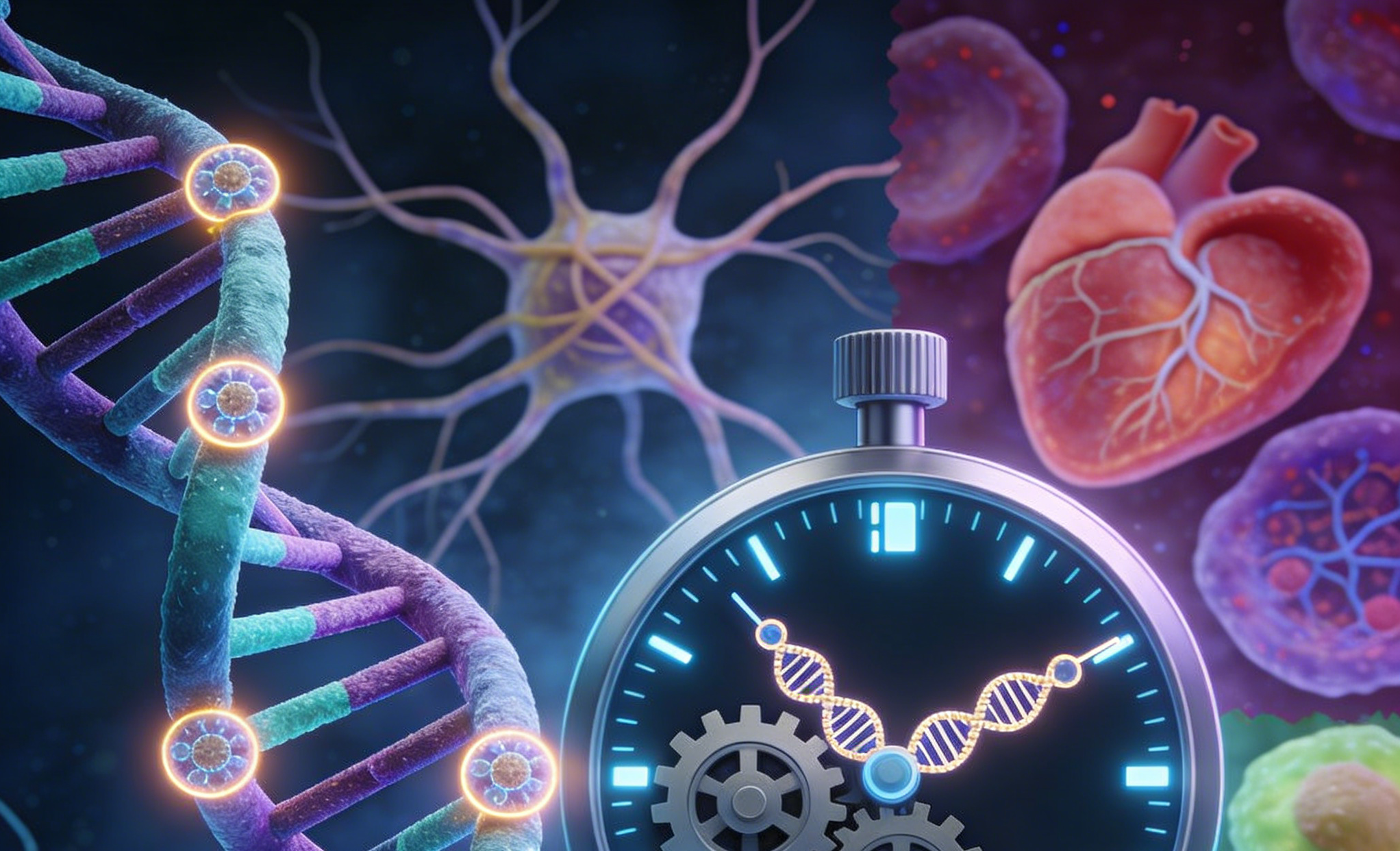
Abstract DNA methylation-based “epigenetic clocks” can precisely quantify biological age and predict risk for multiple chronic diseases and mortality. This article evaluates the potential of…
Continue Reading....Circular RNA Vaccines: A Next-Generation Platform for Broad-Spectrum Antiviral Immunity

Abstract The success of mRNA-based COVID-19 vaccines highlights the promise of nucleic acid platforms. Circular RNA (circRNA), with its inherent structural stability and durable protein…
Continue Reading....The Transformative Potential of Artificial Intelligence for Early Cancer Detection in Low-Resource Settings: Opportunities and the Equity Imperative

Abstract Artificial Intelligence (AI), particularly deep learning for medical image analysis, offers a promising tool to address global inequities in early cancer diagnosis. This article…
Continue Reading....The Gut Microbiome as a Novel Modifiable Target for the Primary Prevention of Cardiovascular Disease: From Mechanisms to Precision Nutrition

Abstract Emerging evidence positions the gut microbiome and its metabolites (e.g., TMAO, SCFAs) as pivotal regulators of cardiovascular disease (CVD) pathogenesis. This review synthesizes current…
Continue Reading....Advancing Clinical Translation of Brain-Computer Interfaces: From Motor Restoration to Closed-Loop Sensory-Motor Integration
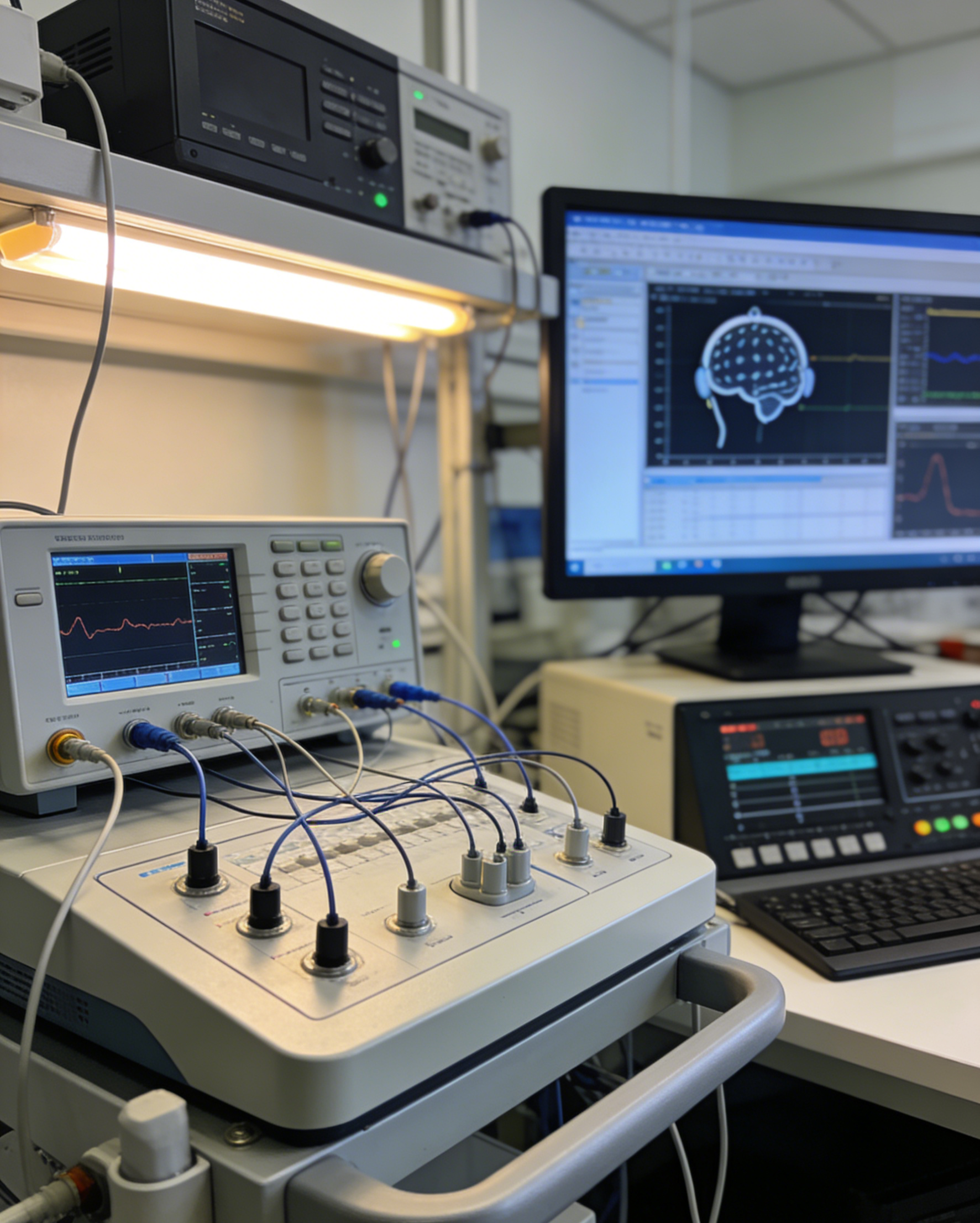
Introduction Brain-computer interfaces (BCIs) have evolved from proof-of-concept demonstrations to sophisticated systems offering tangible clinical benefits. The core principle involves decoding neural signals to control…
Continue Reading....